Section #1 - The Life of Abraham Lincoln
Chapter 79: The War Takes a Physical and Emotional Toll on Lincoln Himself
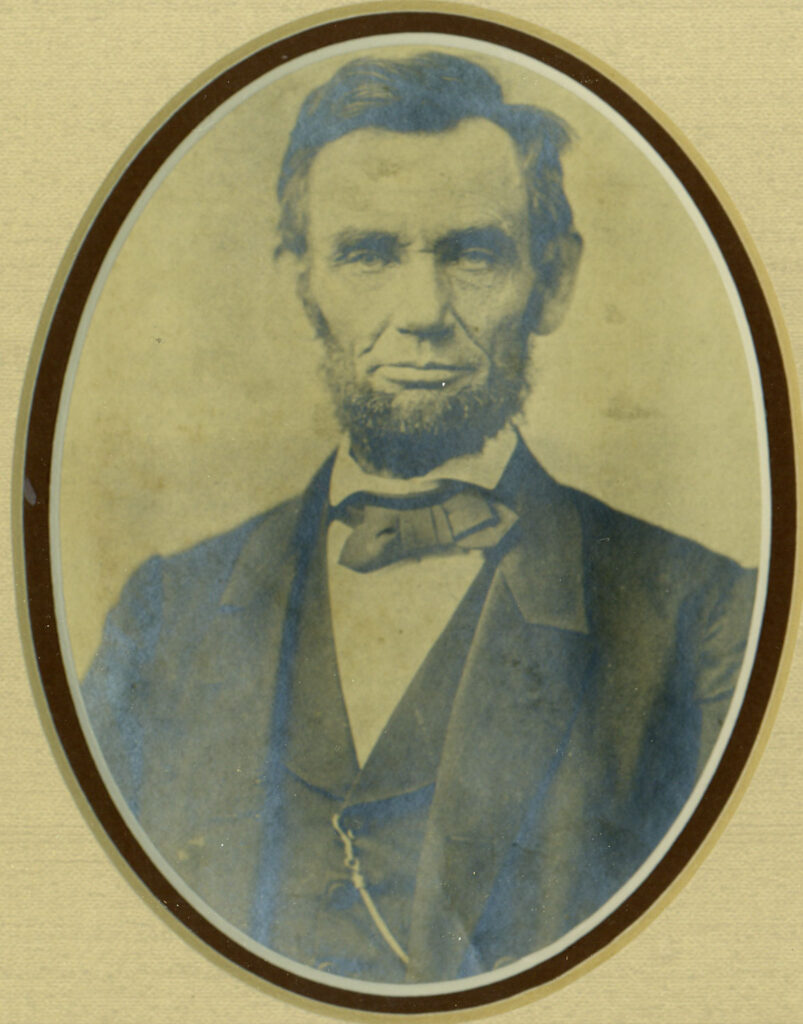

Noone pays a greater price for the Civil War than Abe himself.
As Commander-in-Chief he bears the burden of sending men into battle and reading the daily casualty count. He visits and consoles the wounded in their hospital beds. He pardons 64 soldiers doomed to be executed for failing their duty. He visits their burial grounds and commits himself and the nation to ensure “those men shall not have died in vain.”
His administration sets up a pension fund to support their widows and orphans and a Freedmen’s Bureau to try to help those enslaved survive going forward.
His own family is shattered along the way. Despair follows the death of his son Willie in 1862, with Mary left in perpetual mourning and Abe losing his source of daily joy during the day and repeatedly visiting his son’s burial crypt at night. His distance from Robert grows after he promises Mary to keep their oldest son in safe duty after he enlists in 1864. Tad remains a joy, although his severe speech impediment and developmental shortcomings remain disturbing.
The effects on Lincoln’s well-being are well documented in side-by-side photographs taken between November 8, 1863 and February 5, 1865. The latter shows a gaunt figure with sunken jaw, a haunted look in his eyes and signs of the general exhaustion that have his secretaries, Nicolay and Hay, referring to him as the “Ancient.” Abe himself recounts lifelong suffering from “defective nerves,” the “Hypo,” and “melancholy.”
The modern diagnosis that psychologists assign to Lincoln’s mental state is “bi-polar disorder.” It involves periods of deep depression which, at worst, leads to thoughts of suicide — and these are recorded in connection with the many deaths of his loved ones, especially Anne Rutledge and his son Willie.
What is remarkable, however, it that Lincoln fights his way through these bouts and rises to one occasion after another in leading the nation. In some ways it is almost as if delivering on his duties becomes a form of antidote for his descents into darkness and despair.