Section #1 - The Life of Abraham Lincoln
Chapter 40: Uncle Tom’s Cabin Reinforces Northern Anger Over the Fugitive Slave Act
Northerners quickly resist the updated Fugitive Slave Act and form Vigilance Committees that go so far as crashing jail cells to free arrested blacks.
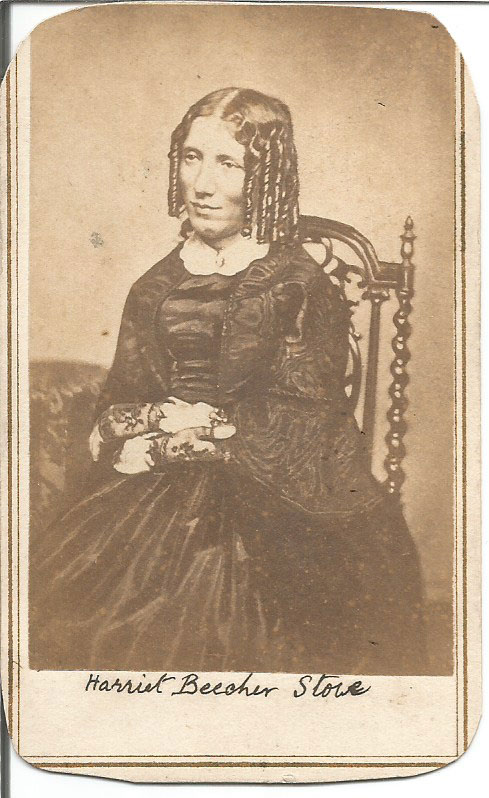
The same outrage that fuels these mob attacks is captured in Harriet Beecher Stowe’s 1852 novel, Uncle Tom’s Cabin. Stowe is the daughter of famed Calvinist preacher, Lyman Beecher, and an avowed opponent of slavery. Living in Cincinnati, she is right across the border from Kentucky and is familiar with escapes across the Ohio River.
One part of Stowe’s 1852 novel traces the barefoot flight of the enslaved Eliza and her son across the frozen river to safety with the Bird family who exhibit Christian compassion by taking them in. But then there is tragedy in the fate of Uncle Tom whose death follows years of abuse by Simon Legree, the symbol of all that is evil with human bondage. Through it all, Tom also exhibits unshakeable goodness and Christ-like forgiveness for his suffering.
The novel is an immediate success with 300,000 copies sold in its first year in America, and then becoming an international best-seller from there.
In awakening more empathy for those enslaved in the North, President Lincoln later calls Stowe “the little lady whose book started the Civil War.”